• About
    • Elisabeth Gunawan
    • KISS WITNESS
    • Myths, Stories and Worlds
  • Projects
    • STAMPIN’ IN THE GRAVEYARD
    • Unforgettable Girl
    • Prayers for a Hungry Ghost
    • Three Sisters: Subtle, Vague & Ambiguous
  • Resources
  • Blog
  • Prayers for a Hungry Ghost – Cast and Creatives

    We are saksi bisou (Bahasa: silent witness) – As an artistic collective, we are curious in exploring the universal experience of journey and exile. We are influenced by lived experiences as migrant people of colour, our work often investigates memory, isolation, oppression, exile and what it means to preserve our humanity.

    As part of our R&D of Prayers for a Hungry Ghost, we are also hosting two other events, click through to find out more and to join us:

    Life Drawing Class: The Realm of the Hungry Ghosts

    with Yi Wei Xu

    Learn More

    Online Meditative Exploration: Our Bodies Know

    with Anna Lau
    Learn More

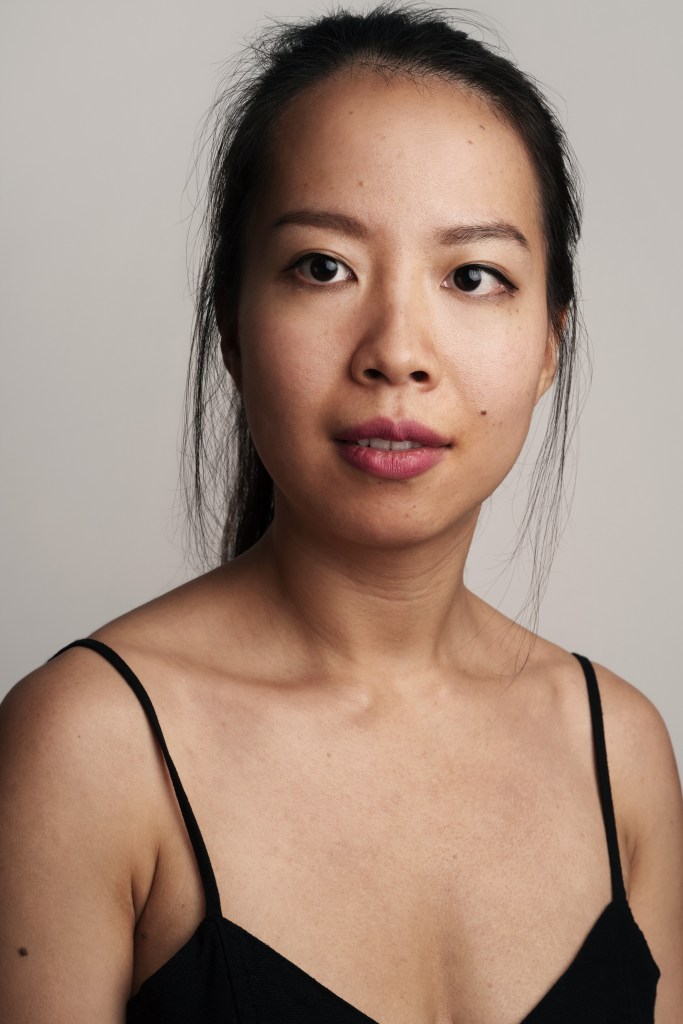
    Elisabeth Gunawan 吳金栵 (Writer/Co-Director/BIG SISTER) is a Chinese-Indonesian artist who works in the mode of stories, poetry and performance. She is a critically-acclaimed and multi award-winning theatremaker and actor. With Created a Monster, she wrote and performed Unforgettable Girl, which won the OFFFest award at VOILA! Festival, Best Performer in a Play in The Stage Debut Awards 2022 and is a finalist for the LET Award 2023. Leading Saksi Bisou, she is also currently developing Promised Land (Electric Dreams Online 2020/Bloomsbury Festival 2022). As an actor-maker, she is working with Ad Infinitum on their new piece ‘If You Fall’ (Bristol Old Vic/Manchester HOME), and with Flabbergast Theatre co-devising and performing Macbeth (Edinburgh Assembly Festival 2022, Southwark Playhouse 2023). In 2021, she was a recipient of Arts Council England’s Developing Your Creative Practice fund to begin her ‘Myths, Stories and Worlds’ research (née ‘Mythical Storytelling’), which continues to be the backbone of her practice today. For the period of 2021-2022, she was a resident artist at the Grotowski Institute, where she continued this exploration.
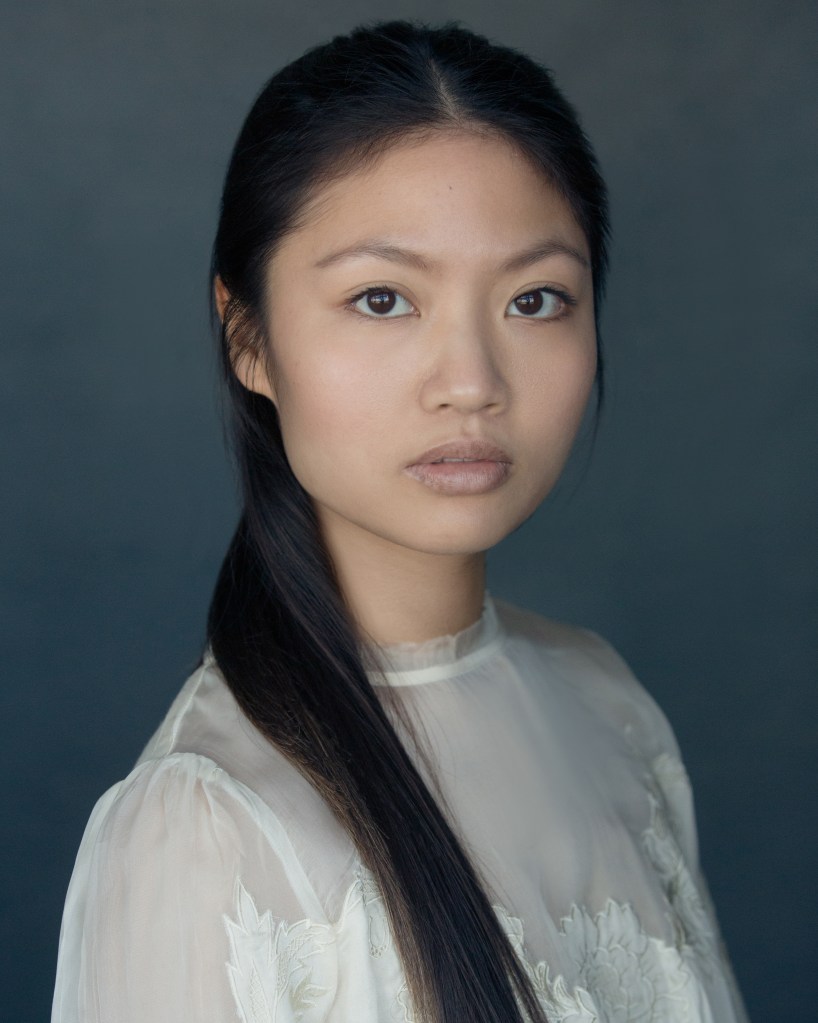
    Jasmine Chiu (LITTLE SISTER/DOCTOR) is a Hong Kong-Canadian dance artist, actor, and maker. She tells stories which explore diasporic identity through movement, puppetry, sound, and evocative text. Her solo work ‘At Broken Bridge’ has been presented by Camden People’s Theatre, Pegasus Theatre, and Tate Britain. As a performer she’s worked with choreographers Wayne McGregor, Akram Khan, and artist Anthea Hamilton. Credits include: My Neighbour Totoro (Royal Shakespeare Company) Dragon Spring Phoenix Rise (The Shed, NYC), Wild (Unicorn Theatre), The Squash (Tate Britain), Primetime (Hayward Gallery), VORTEX (Epidemic, Paris), Jurassic World Dominion (Universal Pictures). www.jasminechiu.com
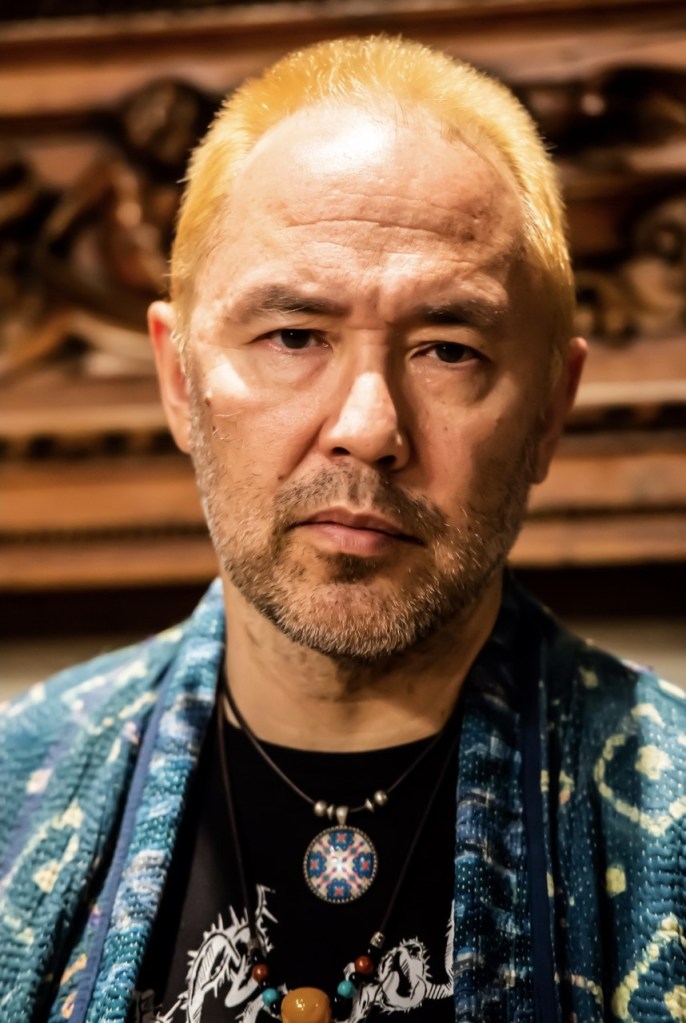
    Daniel York Loh (FATHER/DOCTOR) is a performer, writer, filmmaker, musician and co-founder of Moongate Productions. He has worked at the Royal Shakespeare Company, National Theatre, Royal Court and most recently in Dr. Semmelweis (Bristol Old Vic), No Particular Order (Theatre 503), Dmitry (Marylebone Theatre) and Caceroleo (Vault Festival) as well as extensively in Singapore. He is one of 21 ‘writers of colour’ in the best-selling essay collection The Good Immigrant. His dramatic writing includes The Fu Manchu Complex (Ovalhouse), Forgotten 遗忘  (Arcola/Plymouth Theatre Royal) and every dollar is a soldier/with money you’re a dragon  (Winner – 2021 Arts Council Digital Culture Award) for Kakilang where he is Associate Artistic Director and whose biannual festival begins in London on February 21st https://www.kakilang.org.uk/festival-2023 He is one-third of alt-folk-punk trio Wondermare.

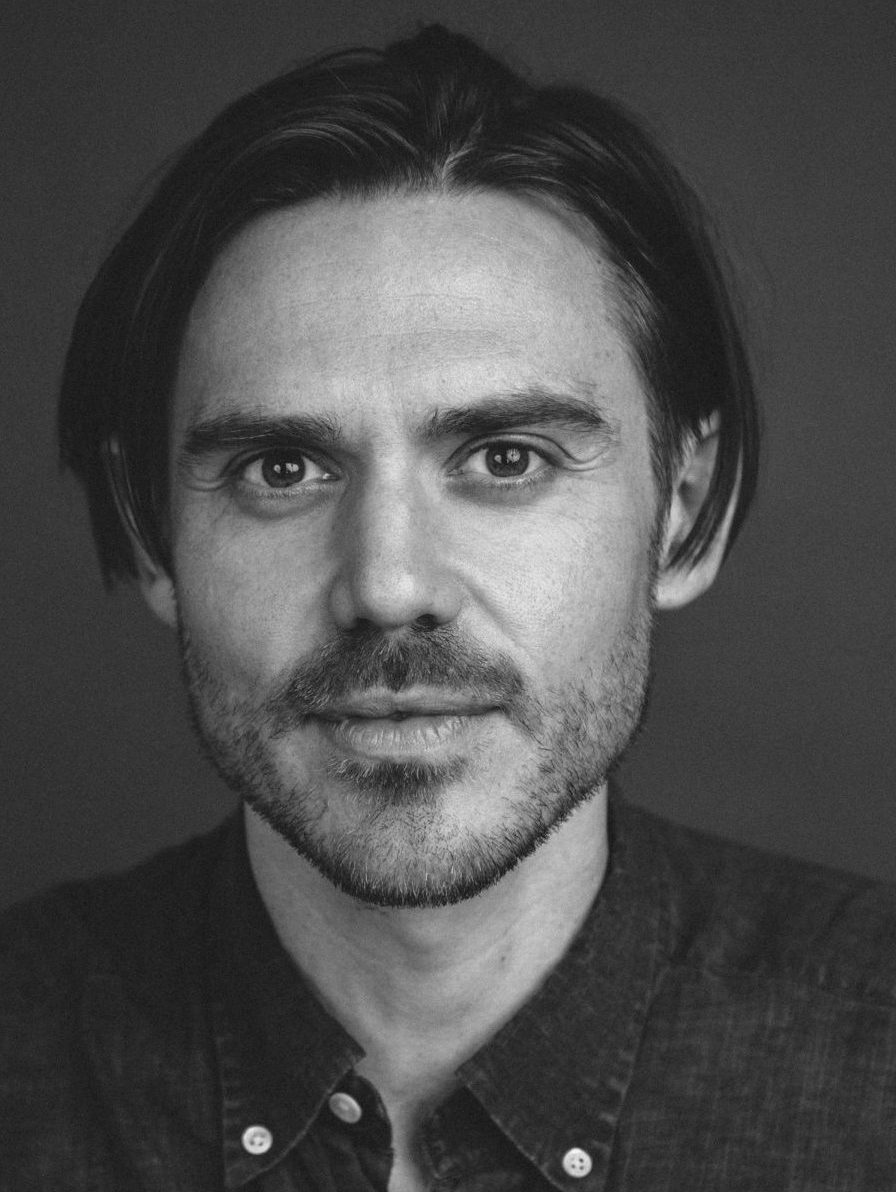
    Matej Matejka (Movement Director/Co-Director) is a multi-award winning movement and theatre practitioner who specializes in opening up the creative potentials of the body, and this comes out in his teaching and directing. Most recently, he was movement director for Flabbergast Theatre’s Macbeth (Assembly Roxy – Edinburgh Fringe) and directed Saksi Bisou’s Promised Land (Bloomsbury Festival). Born and raised in Czecho-Slovakia, curently living in Poland, he was an actor and movement co-trainer with Farm in the Cave studio in Prague from 2000-2005 and Teatr ZAR, Wroclaw, Poland from 2005-2018, where he performed in Dark Love Sonnets, SCLAVI: Song of an Emigrant, Anhelli: The Calling and Caesarean Section: Essays on Suicide, winnning Herald Angel and Total Theatre awards in Edinburgh in 2006 and 2012.  He is the founder and leader of Studio Matejka, a performance research studio and company under the auspices of the Grotowski Institute, in which he directed and created multiple theatre productions, short films and interactive performances among others Awkward Happiness or Everything I Don’t Remember About Meeting You, Charmolypi, site-specific projects including Angry Man: Variations in Defense of Anger’nominated for The Best OFF 2018/2019 in Poland. Matej directed seven short films, including Pearadise, which won the Best Foreign Film award at the Los Angeles International Underground Film Festival in 2013 and Conflict of Apathy in NUDANCE Festival, Bratislava 2014. www.matejmatejka.com
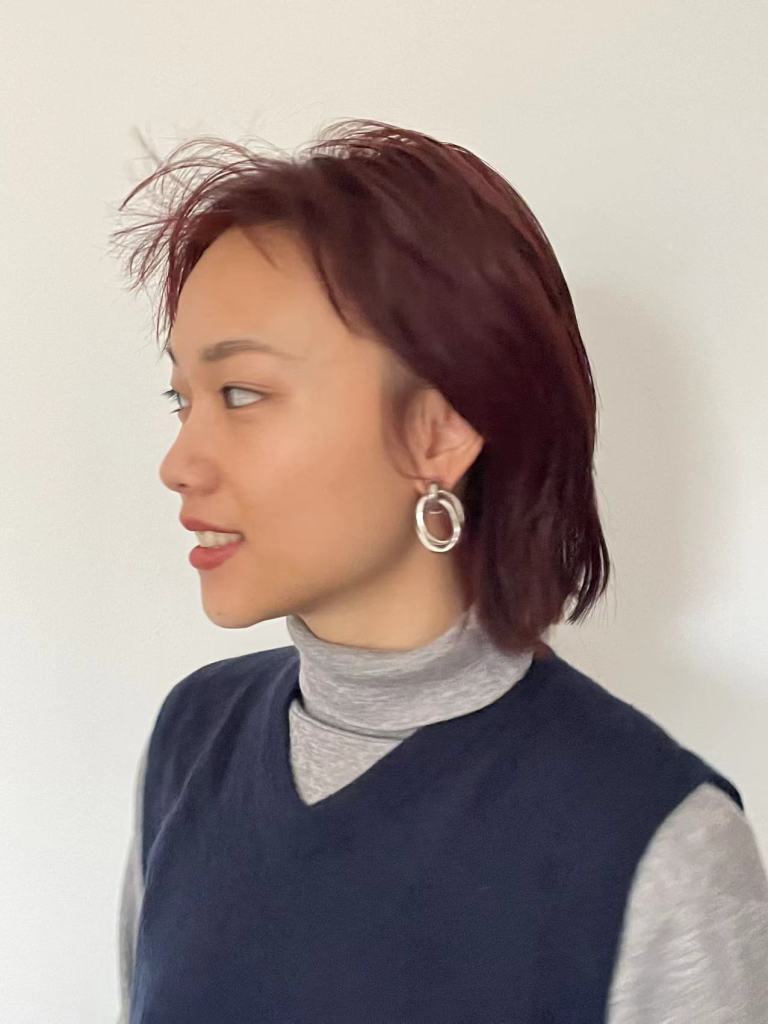
    Erin Guan (Designer) is a London-based scenographer and interactive installation artist from China. She has a strong interest in interdisciplinary theatre and performance making and she works
    across installations, plays, musicals, dance, digital theatre, devised theatre. Her work spans across intercultural performances and minority voices. Her digital artwork specialises in Augmented Reality and Virtual Reality experiences. Her VR installation Chamber404 is exhibited in Ars Electronica 2020 x Interactive Architecture Lab, Camden People’s Theatre and Vault Festival 2022 and VA Lab Taipei. Her recent theatre projects include school touring Pressure Drop (Immediate Theatre), The Apology (New Earth Theatre x Arcola Theatre), A Gig for Ghost (Forty Five North x Soho Theatre Upstairs), immersive technology promenade performance Unchain Me (Dreamthinkspeak x Brighton Festival), Symbiont (Caged Bird Theatre x The Vault), Foxes (Defibrillator Theatre x Theatre 503), touring musical Tokyo Rose (Burnt Lemon Theatre), both immersive game theatre Talk and The House Never
    Wins
    (Kill The Cat Theatre), Freedom Hi, Asian Pirate Musical (PaperGang Theatre), and web design for audio tour The Letters Project (Gate Theatre).
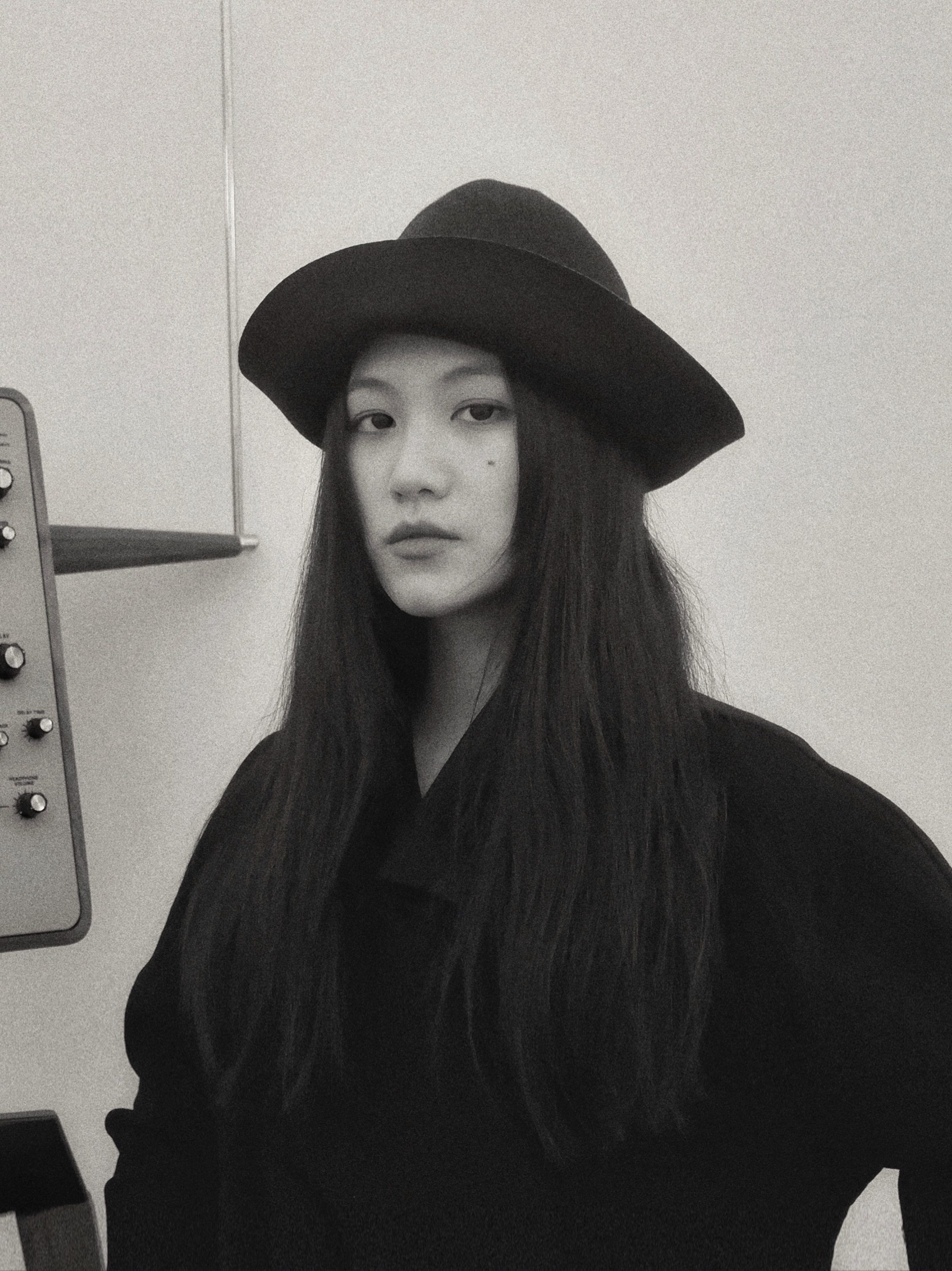
    LI YI LEI (Music and Sound) is a Chinese artist and composer working and living in London. Li’s body of work sought to reflect on the tacitness and transience of existential occurrences. Investigating alternative modes of listening and ways of perception through multidisciplinary practices. Li has been releasing music, composing for theatres and films since 2017. Their work has been showcased and performed at The Barbican Centre, OCAT Contemporary Art Terminal, UCCA Centre of Contemporary art, ESEA contemporary, Cafe Oto, Hundred Years Gallery, Aranya Church, Mayfest Festival, MAO museum of oriental arts and more. Their work has been featured and reviewed on various platforms such as BBC radios, The Guardian, DAZED magazine, The Wire magazine, CRACK magazine, The Telegraph and more. 
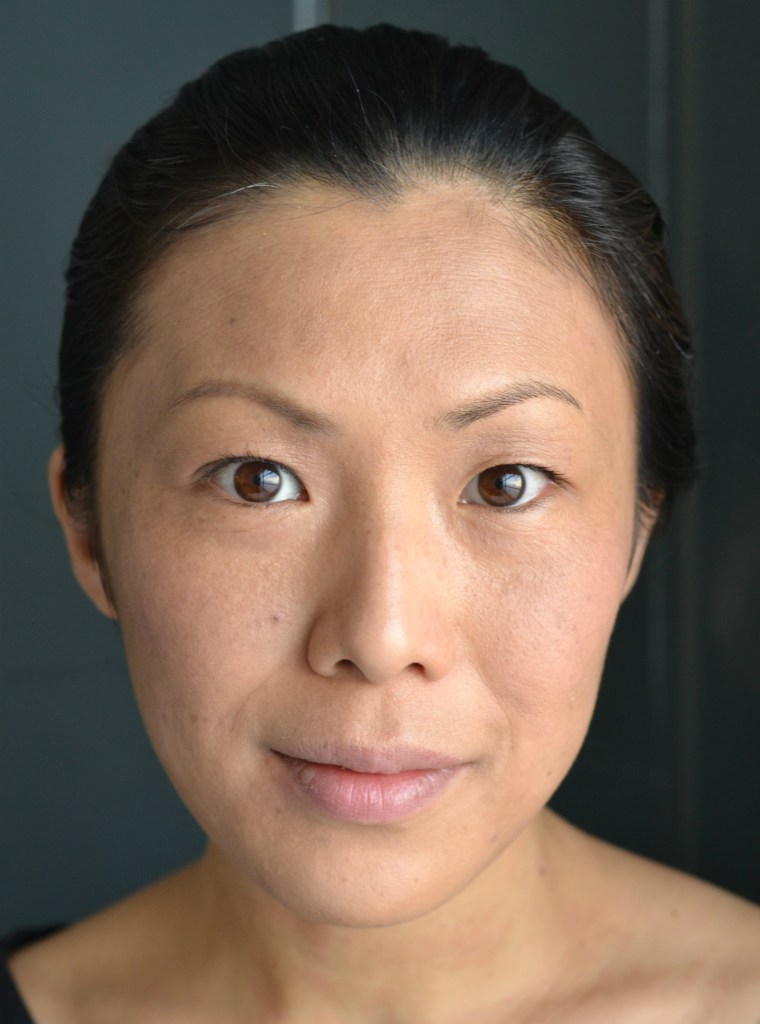
    Aya Nakamura (Puppetry) is a London based theatre-maker, puppeteer and puppet maker originally from Japan. For the last 15 years she has worked on many children’s and adult puppet productions for a variety of theatre companies including Improbable, The Old Trout Puppet Workshop (Canada), Polka Theatre, Handbendi Brúðuleikhús (Iceland), Horse and Bamboo, Norwich Puppet Theatre, Oily Cart, Unicorn Theatre and Wattle&Daub Figure Theatre. Aya also runs the award-winning company Rouge28 Theatre, which has toured productions nationally and internationally. Recently she was performing in Famous Puppet Death Scenes which sold-out at the Barbican Pit Theatre during the London International Mime Festival. More information can be found at www.ayanakamura.com 
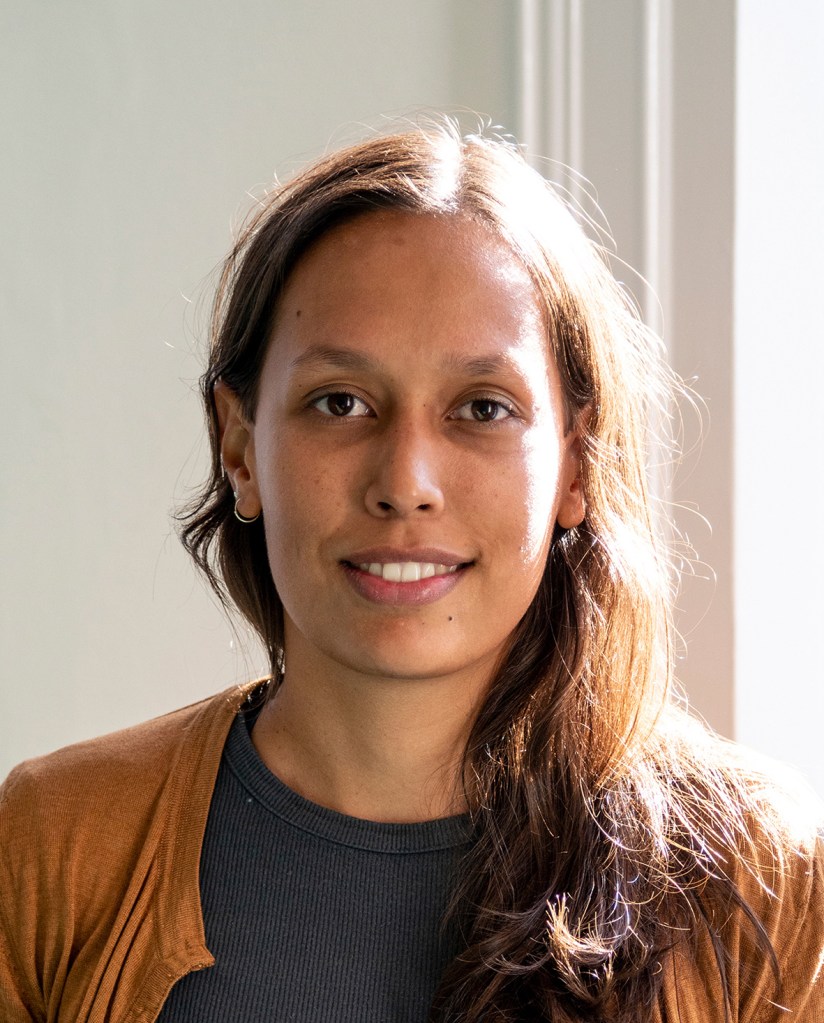
    Mona Camille (Design Consultant) is a set designer with a background in architecture. Mona’s recent work and collaborations include designs for Theatre503, Saksi Bisou at the Bloomsbury Festival 2022, Studio Goodluck Film productions, the Chinese Arts Now Festival London as well as working as an associate designer with Moi Tran on productions at the Hampstead Theatre and the Sam Wanamaker Playhouse. Mona is also a multidisciplinary artist with recent artwork exhibited at the Seychelles Biennale of Contemporary Art 2022 and the Seychelles National Museum for the 2022 Festival Kreol, in her home country.
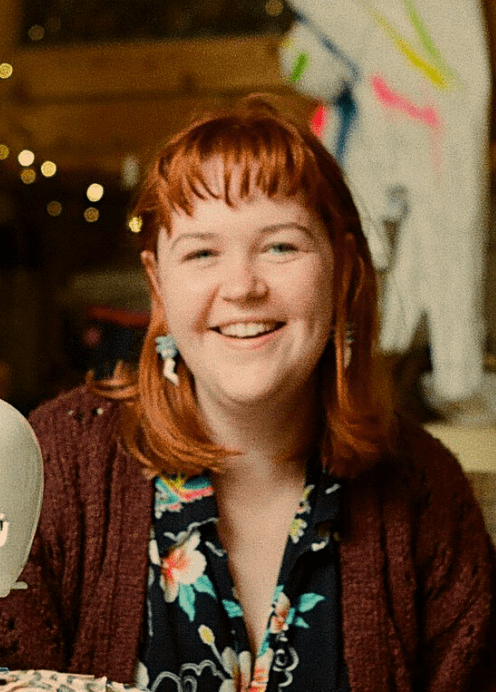
    Ezra Barnard (Costume Designer) is a multi-talented designer and maker of costumes and props with a BA in Fine Art from Chelsea School of Art and Design. Starting out by designing garments and fashion accessories for friends and artists such as Jay Jay Revlon and other members of the ballroom community. They have now expanded their repertoire into theatre and the performing arts. They have made costumes for shows such as Tokyo Rose (Burnt Lemon Theatre, 2022) costume designed for Tempest (Wildcard Theatre Company, wardrobe supervisor, 2022) and the west end debut of A Sherlock Carol (DEM Productions, wardrobe assistant, 2022-2023)

    Ailin Conant (Artistic Collaborator) is a Japanese-American director based in the UK. As a freelance director, she has worked for the RSC, The Royal Court, Bush Theatre, New Earth, Theatre503, Kansas City Rep (USA), Ayyam Al-Masrah (Gaza), Clown Me In (Lebanon), and The Catalyst (Switzerland).  Most recently she worked as a director for the Royal Court’s New Plays: Japan, and as the associate director on My Neighbour Totoro with the RSC and Improbable.  Ailin is also the founding artistic director of Theatre Témoin, a company creating visually compelling and socially urgent works of new theatre.  With Témoin, she has directed commissions from The Lowry, The Everyman Cheltenham, Without Walls, and others, as well as productions in Rwanda, Israel, Kashmir, Lebanon, France, and the USA.  As a twice-migrant and dual-heritage nomad, Ailin is passionate about cross-cultural and intercultural creative exchange.
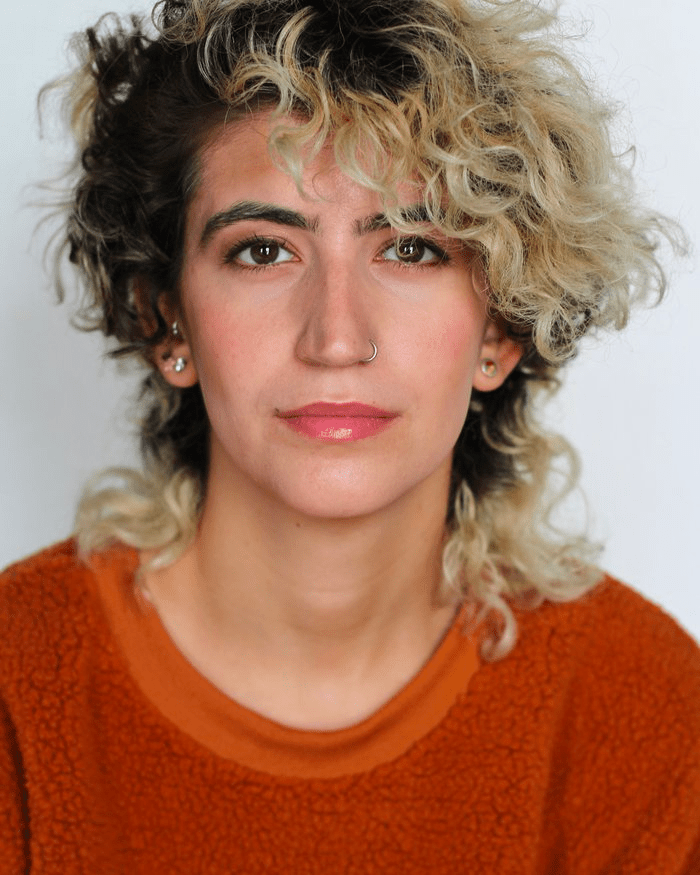
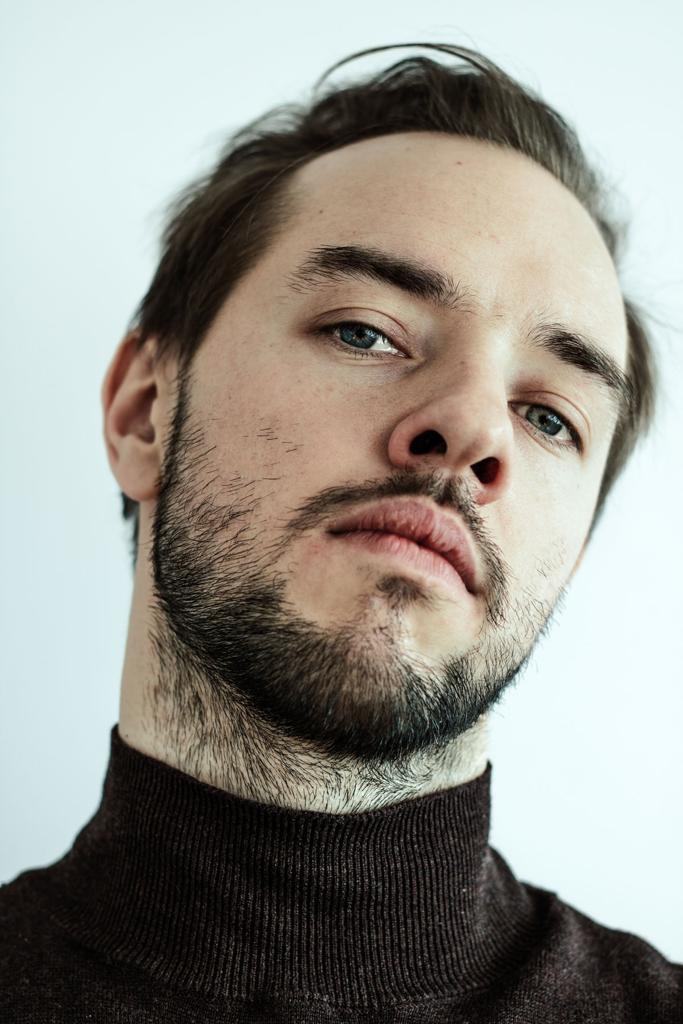
    Yael Elisheva (Artistic Collaborator)  is a performer, theatre-maker, director and teaching artist. UK performance credits include; In This Smoking Chaos at Queens Theatre Hornchurch, Schlepping a work-in-progressat The Coronet Theatre, and Dinner at RADA Studios. Yael is a drag and cabaret artist and performs regularly at various venues throughout London. Yael was the assistant director for The Ministry of lesbian Affairs at Soho Theatre. As a teaching artist, they have a background in facilitating drama and improv to incarcerated and court-involved young people. 
    easthouston

    February 6, 2023
    Uncategorized
  • Promised Land – About the Project

    We are saksi bisou (Bahasa: silent witness) – As an artistic collective, we are curious in exploring the universal experience of journey and exile. We are influenced by lived experiences as migrant people of colour, our work often investigates memory, isolation, oppression, exile and what it means to preserve our humanity.

    This project is only possible because of the incredible migrant-led creative team with roots spreading across 8 countries and 4 continents and speaking 9 languages (thanks to colonization, we conveniently speak English in common).

    Elisabeth Gunawan 吳金栵 (Writer/Co-Creator/Performer) is a Chinese-Indonesian artist who works in the mode of stories, poetry and performance. She is a critically-acclaimed and award-winning theatremaker and actor. With Created a Monster, she wrote and performed Unforgettable Girl, which won the OFFFest award at VOILA! Festival. For her performance, she also won Best Performer in a Play in The Stage Debut Awards 2022. She has worked as an actor, performer and deviser with Ad Infinitum, Flabbergast Theatre, and the David Glass Ensemble. On film, she has been featured in Eelyn Lee’s films Casting Fu Manchu (2020) and San Xing (2021). In 2021, she was a recipient of Arts Council England’s Developing Your Creative Practice fund to begin her ‘Myths, Stories and Worlds’ research (née ‘Mythical Storytelling’), which continues to be the backbone of her practice today. For the period of 2021-2022, she is a resident artist at the Grotowski Institute, where she continued this exploration. She has facilitated and taught at LASALLE College of the Arts, TheatreDeli, Italia Conti and the Grotowski Institute.

    Matej Matejka (Co-Creator/Director) is a multi award-winning Slovak theatre researcher, actor, director, and teacher of movement. Matej was an actor with Teatr ZAR, co-creating and performing in Anhelli: The Calling and Caesarean Section: Essays on Suicide, the latter awarded with the Herald Angel and Total Theatre awards in Edinburgh, UK (2012). Matej Matejka is the founder and leader of Studio Matejka, a company working under auspices of the Grotowski Institute since 2010. Matej directed the performances Echoes of the Walls Underground Are Louder than the Footsteps above Me (co-directed with Yuri Kordonski), The Woman Decomposed, Charmolypi, and Awkward Happiness or Everything I Don’t Remember About Meeting You (special mention at BE Festival, Birmingham, 2014). In 2001–2006, he was an actor with Farm in the Cave Theatre Studio, Prague, and co-creator of its performances, including the multi-awarded SCLAVI/The Song of an Emigrant (Fringe First, Total Theatre Award, Herald Angel, Alfred Radok’s Award, Grand Prix Golden Laurel Wreath). He directed and produced a site-specific project called Harmony of Contradictions: Poland at Browar Mieszczański (Burgers’ Brewery) in Wrocław, Poland (2016); and Palimpsests of the Space at castle in Gorzanów, Lower Silesia, Poland (2017). He has recently accomplished a one and a half year long interactive performance project titled Angry Man: Variations in Defense of Anger at the Grotowski Institute, Wrocław, Poland (2018), with an international team of 9 actors and dancers. The performance is nominated for The Best OFF 2018/2019, Poland. In 2012 and 2014, he directed seven short films: Pearadise, Life While You Wait, Twenty Second Street, Juste comme ça, The Desire, The Mess and Conflicts of Apathy (first prize at NU Video Dance 2014, Bratislava). Pearadise won Best Foreign Film at the Los Angeles International Underground Film Festival in 2013. www.matejmatejka.com

    Orest Sharak орест шарак (Music Composer/Arranger/Performer) is a Ukrainian multidiscplinary performer and maker. From 2007-2011, he worked in Les Kurbas Theatre, where he performed among others in Ovid’s Metamorphosis, Five Elements based on the parables of Zen, Bohdan by Klim, Symposium by Plato and King Lear. In 2009, he established the ethno-ambient ensemble Kurbasy, whose work focused on exploring drama in Ukrainian Songs. In that time, he also collaborated with Lalish Teaterlabor (Viena), Tomasz Bazan (Teatr Maat Project Lublin) and Mariana Sadovska (Cologne). In 2012, he became an actor in Teatr ZAR, performing in Caesarean Section: Essays on Suicide, Armine Sister, Medeas: On Getting Across and Anhelli: The Howl. In 2012, after an expedition to Sicily, he became a member of In Medias Res ensemble which works with liturgical songs from Corsica, Sardinia and Sicily. He collaborated with Matej Matejka in the project Harmony of Contraditions: Poland and was music supervisor for Awkward Happiness. 

    Mona Camille (Scenographer) is a set designer with a background in architecture. Mona’s recent work includes designs for Theatre503, Studio Goodluck Film productions, and the Chinese Arts Now Festival London as well as working as an associate designer alongside Moi Tran for productions at the Sam Wanamaker Playhouse and the Hampstead Theatre. Mona is also a multidisciplinary artist with recent artwork exhibited at the Seychelles Biennale of Contemporary Art 2022 and the Seychelles National Museum for the 2022 Festival Kreol, in her home country. www.monacamille.com

    Jack Parris (Music Composer of Concept Album) is a performer, theatre-maker, writer and facilitator. Prior to his work with BPT, Jack worked as a teacher, musician and actor and experimental film-maker Egg (2016), The Hex (2017) and Words (2018). Jack retrained in Theatre Laboratory at RADA in 2019 and now his practice focuses on co-creating physical theatre through play using embodied approaches influenced through his time working with David Glass Ensemble, Theatre Re, Peta Lily, Gabrielle Moleta Company and Gecko. Jack currently works with the devising ensemble Kreants, Saksi Bisou and Bunkum, whose recent experimental film Dangling Man was in the official selection at the London International Film Festival and the Montreal Film Festival.

    easthouston

    October 6, 2022
    Uncategorized
  • Running with the Devil

    ” I think we are well advised to keep on nodding terms with the people we used to be, whether we find them attractive company or not. Otherwise they turn up unannounced and surprise us, come hammering on the mind’s door at 4 a.m. of a bad night and demand to know who deserted them, who betrayed them, who is going to make amends.” -Joan Didion, Slouching Towards Bethlehem

    The last time I met the devil was in a dream that came to me before my 29th birthday. I was in a balmy and decrepit cabaret theatre, in technical rehearsals for a piece with my friends, when we realized a shapeshifting presence was trying to sabotage us. The details are blurry (as they often are in dreams), but I remember the devil masquerading as one of my friends—a sharp-edged blonde actress. I remember him pursuing me through the tube cars in the London underground. In the climax of this harrowing dream, I falsely awakened into yet another dream. This time, I was on my bed in the dark frantically trying to turn on the lights. It didn’t work. And in that terror, a voice inside me (that sounded strangely like my dance teacher) said – “you need to get help. you need to get help.” And so in the dark, I ran to the next room where my parents were getting ready for bed. I saw my mother curled up on the right side (her side of the bed for twenty years), and my father arranging his pillows, unsurprised to see me with tears in my eyes. “Were you scared?” my father grinned, and I leapt right into the space between them.

    And then I truly woke up on the hottest midsummer’s night in London. And for a brief moment at 4 a.m. in the morning (as prophesied in that quote), I was not myself but a sliver of the person I used to be. As if the past 22 years and all those decisions had been erased, and I was again the little girl with the swollen eyes and sparrow’s voice crying for the parents who slept 20,000 miles away in Jakarta. And just as our dreams effervesce and evaporate in those first waking seconds, that girl disappeared too.


    A few months before I graduated from the Royal Academy of Dramatic Art, into a life of trying to become a ‘serious’ ‘actress’, I began thinking carefully about my name. Names are strange things: for me, it summons an image of a suitcase made of rough human leather, covered by airport stickers and stretch marks—worn and faithful in its task of carrying within it an entire human being and their stories.

    I was born ‘Elisabeth’. As was the fashion with most Chinese Indonesian people in the 1990s, I was given a Western name, unaccompanied by a last name. Luckily, my sisters and I were never granted one of the equally-fashionable double-barrel first names that some of my friends had (for instance, Natasha Stephanie, or Gabriella Nathania or Anastasia Tiffany, and so on). I was simple, steadfast, headstrong and consecrated to God – ‘Elisabeth’.

    Ironically, when I started college at NYU (in my first real taste of a world where individuality was the religion and where girls matched the color of their bras to their outfits instead of hiding them) I was in the same graduating class as 3 other Elizabeth/Elisabeths—who went by Beth, Liz and Lizzy respectively—and so I went by Betty.

    The story has become a myth to me over time—a sort of auto-response when people would inevitably ask about this uncommon name—as if I had benevolently accepted something I had no choice in. But frankly, I loved the name ‘Betty’: I loved its anachronism, its strangeness and exquisiteness, and that it was worlds away from where I was born. It was my first self-imposed exile.

    Betty went on to trod down the path less taken: odd jobs in the theatre industry (assistant to the assistant to the costume designer of Hedwig and the Angry Inch), unfortunate boyfriends and visa troubles. Eventually, for that heartbroken and unemployed 20-year old self, salvation came in the form of an entry-level job at Google, which therefore translated to some semblance of respectability from my family and their little universe. I was the last of a wave of young people who were hired into the organization with very little (1 year) totally irrelevant work experience (at a theatre company in New York) and very specific relevant skills (they needed someone who spoke Indonesian). This was the incident that crystalized a belief I held on for many years: 1) that my life consisted of a series of closing doors that I managed to slip through in time, and 2) that identities and our senses of self are wretched false things: the only difference between the shameful mess that I was and the emblem of millennial capitalistic success that I became was a job title.

    On the first day on the job, I met my manager: a middle-aged Chinese Indonesian woman who drinks hot water and has a sensible short haircut (traditional) and a visible tattoo on her wrist (revisionist). I told her my name: Elisabeth, but they call me Betty. Huh? She responded. What kind of name is Betty? I will call you Eli. So ‘Eli’ is the name that got plastered over my muddled choices and confused selves.

    Each disparate name, each worn leather suitcase, marks for me the journeys I have travelled so far in my life. From the small crowded alleyways of Jakarta with its smell of the sea and calls to prayer hanging in the air, to the anonymous streets behind Port Authority, where drunk homeless men impale donuts and slices of $1 pizza on the branches of a shriveled tree. Each new street peels open and bursts with its own smells, screams and strange languages. Each world with its harsh laws and arbitrary consensus realities, each dangerous to some small self in its own way.


    Another time in my dreams, I was running with the devil. His form kept shifting, but I remember distinctly a man in a band T-shirt, dirty overalls and a baseball cap two sizes too small, bounding with me through the park until we reached a junkyard. He sat me down across from him. And from his pocket, he took out the tiniest bird, so delicate and weak it was more a lump of feathers than bird.

    “This is what I want to do,” he said. And he took a pillow with his other hand and tried to smother the bird.

    No, I said. And the feathers suddenly twitched, and quickly flew away from the palm of his hand.

    The devil took another bird from inside his pocket: a beautiful sleeping green parrot.

    “This is what I want to do,” he said. And he began to piss on the bird.

    No, stop. How would you feel if someone did that to you?

    “People do it all the time.”

    Oh. I’m sorry.


    I used to have nightmares as a child.

    They were bad enough that they would keep me awake for hours at night, staring at the branches of our banyan tree swaying outside the window, and pretending to be asleep whenever my mother would peek in like clockwork around eleven. In my 6-year-old logic, the wisest thing to do when she did so was to pretend to be asleep, like she was yet another monster to fool. I don’t know why I never asked her to stay.

    The next morning, she would find me with my eyes swollen from crying and lack of sleep. My mother, the ever steadfast Protestant wife, taught me to pray before bed to make the nightmares go away. It worked. So every night I would pray and succumb into a sleep of muddled dreams, but at least the devil was nowhere to be found. Looking back, there is certainly something to be said about the power of intentions. It was my first taste of self-determination: to drive away the devil with the utterance of a prayer.

    As a child I was anxious and sensitive: everything scared me or made me edgy and nervous. I was soft-spoken in class, always being told to repeat the things I said. I resented being caught off-guard by any deviation out of my control in my already out-of-control life. Whenever there was a strike, or a flood, or one of those common disasters in Jakarta that would prevent us from being able to go to school, my mother would just not wake me up (with the good intention of allowing me to sleep longer). I would then wake up at 8am in terror, feeling like Jesus’ second coming had gone and I was left behind. To this day, that feeling of waking up late and being the last one left makes me cringe.

    At the same time, I was also gifted a strange brand of courage. I remember one day in gym class, when a teacher had screamed at a girl who was too afraid to do a forward roll. He was one of those tyrannical sorts of men, dismissed years later purportedly for molesting a student. One by one, he asked each girl to affirm her loyalty to him, and he made his way through the sea of quiet murmurred yes-es. I was the last. No, I said, with the confidence of the devil.

    In subsequent years, I learned that it takes courage to choose your own name. To say no to a lot that was given to you at birth by your parents. To risk saying ‘no, thank you’ to your birthright and embark on a journey to unknown territories in search of new lots. Names, when they are first uttered—breathed into existence—are like prayers to exorcise the devil from a nightmare, to raze a ground and leave behind empty space for new seeds to grow.

    ——

    “You never talk about your past.” one of my friends once remarked. We were in the woods in Brzezinka, in this haunted place in Western Poland on a grueling theatre residency, when on one of the easier evenings we sat around the table after dinner. Everyone was talking about their parents, and I was shifty and avoidant, prompting jokes that I was afterall a Communist spy.

    I rarely felt the need or even the ability to talk about the past. It seemed so far away, and to belong to a different world and a different reality, with different languages and smells and gods and monsters. It didn’t seem possible to retrieve that story from that dangerous world, nor was there any use for the past to come knocking now to try to amuse my friends.

    I think sometimes that the little girl had died in that country I left behind, that her skeleton had shriveled up under the overgrown banyan tree in the back garden. But perhaps she fooled me, and is residing inside me in some hidden corner of my body, manufacturing nightmares to unleash onto my life unannounced at 4am on a summer night.


    In another dream, I was in my house in London. In this dream, I have a daughter. It was midnight, and I was preparing dinner alone when the doorbell rang. I wasn’t expecting anyone. When I furtively open the door, it is my mother and my two sisters. They march in and help me clean the house and pack up. What follows is another hazy flurry, we are whisked off into an airplane, and emerge into a waiting room of women also with their traveling bags. And then it suddenly hits me:

    Where is my daughter?

    The room falls silent, and they all look at me apologetically.

    “I’m so sorry, love.” One of the old women held my hand. “Your son was born without roots, he was never meant to stay.”

    Oh, I say, I just thought she would say goodbye.

    And I woke up.

    easthouston

    August 29, 2022
    Uncategorized
  • Stories

    All of us know what a story is. We might feel puzzled when asked, but if someone told us to tell a story, we know exactly what to do. Telling stories is an inextricable part of daily lives, both in connection with other people and with ourselves.

    In my last workshop, we did a story circle—we sat together and told stories one after another. I gave a prompt to loosely guide us: stories from childhood, stories from your family, myths or urban legends. Starting from the act, we parsed out what constitutes this thing we call ‘stories’: there is always a figure or a character (a child, a parent, a random person), there is often a problem (ranging from ‘needed to buy something from the shop’ to ‘fleeing a war’), a climactic event (an argument, an accident, a near-death experience) and often a lesson. Stories also exist in a particular world (the house I grew up in, a holiday place, in my dreams). We also found within that circle that stories invoke emotion, and creates closeness and connection between the teller and the witness.

    Of course, the theatre is not necessarily a place for story that is told through words in the same way as story circles. Years ago, I saw William Forsythe’s Impressing the Czar. The first act was like a Jan Matejko painting brought to life: knights, ballerinas and courtiers pranced through the stage in total chaos, there were arrows being shot. In the second act, we came into a minimalist blue landscape, save for a cherry hung in the middle. The dancers cut through swiftly, sharp as steel. The third act ‘Bongo Bongo’ was the most electrifying, where the entire company dressed in school girl uniforms and wigs (even the men), marched and danced this crazy, tribal, percussive number. I had no way of truly understanding what the piece was, but I went on a journey with them. And my experience of seeing this ‘story’ unfold on stage became a story in itself.

    Below, I’ve outlined some ways that I have discovered are useful ways of looking at stories in devising theatre. These are far from exhaustive, and perhaps part of my desire to write this down is to start a conversation where this research can keep happening.

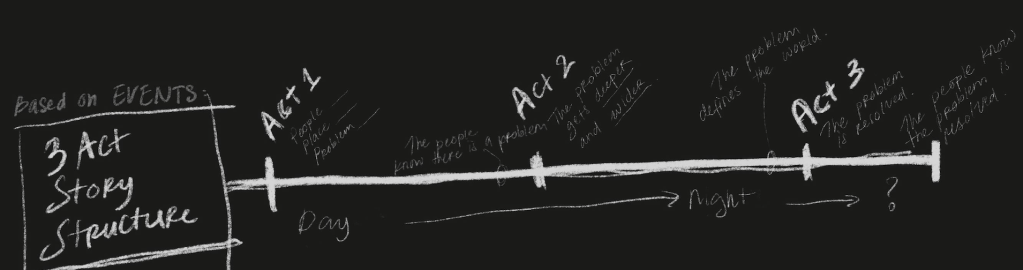
    3-ACT STORY STRUCTURE

    3-Act Story Structure

    The 3-act story structure is the scaffolding behind many great plays, films and epics.

    I learned the 3-act story structure especially from David Glass1 who simply put each act as follows:

    Act 1 – in the beginning, there is a person in a place and a problem. By the end of Act 1, the person/people should know there is a problem.


    Act 2 – the problem gets deeper, and wider. At some point in the end of act 2, there should also be a recap for the audiences of what the problem is (especially if your story is 3 hours long)


    Act 3 – the problem is resolved, and by the end of Act 3, the people should know the problem is resolved.

    There are many wonderful books, PDFs, PhD dissertations, etc. written already on this, so I won’t go into too much detail here. 🙂

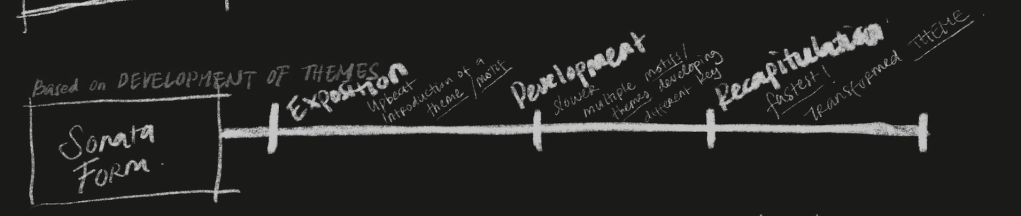
    The Sonata Form

    My experience of watching Forsythe made me realize that using purely aesthetic forms, we can create a sense of a story or a journey. All those balmy afternoons spent studying music theory when I was 12 has finally come full circle! The sonata form is a very interesting precedent to look at.

    The sonata form is a musical structure that consists of 3 parts (an exposition, a development and a recapitulation) – it is abstract in so far that it is a means of organizing tonal and melodic material, but its characteristic expressiveness, drama and dynamism has always given it a ‘psychological’ element.

    If you’d like, you can try it yourself—lie down with your eyes closed and listen to a symphony or a sonata (I personally recommend Borodin’s Symphony no. 2 in B minor) and just follow the images that come to you. A lot of people (myself included) would often see an epic film unfold in your imagination.

    Here is what I discovered in terms of how the aesthetics of space/physical action can borrow from the sonata form:


    Exposition – the first movement is always upbeat, and introduces the main aesthetic motif/theme (in theatre, this could be movement qualities/gestures or even a literal topical theme).

    Development – the 2nd movement is slower, but it is also the shortest. The 2nd movement also transports us to another world—in music, if the 1st movement starts in major, the 2nd movement would be in a minor key, vice versa. So there is a sense of the world shifting from major to minor/from day to night: in theatre and stories, there should be a sense of being transformed into a different space.

    Recapitulation – the 3rd movement is the fastest. It returns us to a transformed main motif/theme within the world of the 1st movement.

    I find that this creates a useful technical checklist when making a piece—am I starting with good energy? Am I enriching the piece by moving the audience to different spaces? Does the piece slow down too much in the middle (mine tend to!) and are we ending with good energy?

    The Gathering

    Live theatre and performances are gatherings, they are ultimately an encounter between the performer and the audience. Within the world of the fourth wall, we sometimes forget this, and it’s sad when that encounter only happens at the very end as the audience politely claps.

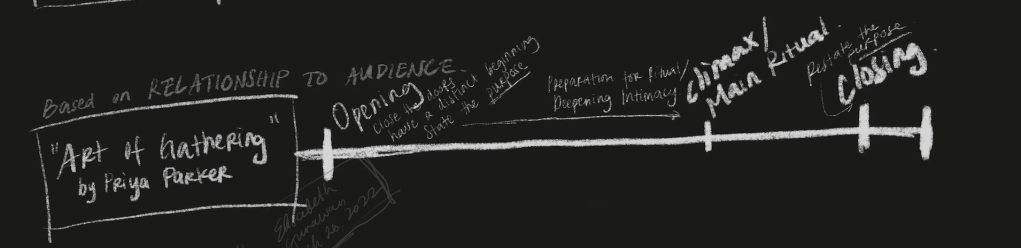
    Priya Parker wrote ‘The Art of Gathering’—where she speaks about some of the necessary aspects of one:


    The Beginning – a gathering needs to have a distinct beginning. There needs to be an acknowledgement that everyone who needs to be present has arrived, and the doors are being closed, and that we will embark on an experience that is ephemeral and special and only shared wiht all of those present. In other words, how do we start a piece by creating complicity with the audience? How do we invite them into the world of the piece?

    The Ritual – Every gathering has a climax/a ritual—whether it is the bride and groom’s first dance, or the casket being dropped into the earth (or set in flame, if you’re in Bali). This climax is often the point of greatest intimacy between all who is gathered. Therefore, from the beginning up until this climax, the gathering is preparing everyone to rise to the occassion of this ritual.

    The End – Likewise, the experience has to have a distinct end and closing. It also needs to safely return the gatherers/the guests back to their respective worlds outside of this gathering.

    This is something that I have found very useful as a maker, and one that many of my students have also found enlightening. My hope is that this research is kept alive, and there will be many more ways and lenses to look at this elusive thing we call story 🙂

    easthouston

    May 9, 2022
    Uncategorized
  • Mysteries


    Today, I am remembering that the theatre is a place of not knowing, a place where the mysteries that shroud our lives can be more opaque, to be lit, just for an hour. So humbled, honored and touched to be a part of this process with Jasmine Chiu to uncover together the questions she had about her beautiful mother. ‘Listen the Snow is Falling’—we loved the song from the start, it felt right, Jasmine’s mother loved the Beatles and John Lennon

    Listen, the snow is falling all the time
    Listen, the snow is falling ev’rywhere
    Between your bed and mine
    Between your head and my mind
    Listen, the snow is falling all the time

    And five weeks later, we finally realize, what the snow falling is. Not that I would be able to describe it in words–not because I am trying to be perverse or secretive—but because this is a place we go to that is not of the mind or of language but of the heart. There are unspeakable irresistible things in the dark, and there is magic, and palms of hands with eyes on them, and shallow breathing and snow falling like a veil over the world.

    easthouston

    May 3, 2022
    Uncategorized
  • Family.

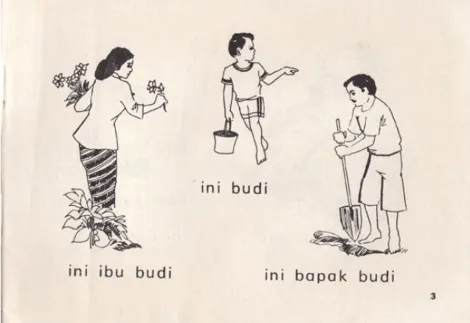
    I remember when I was very young, I had a fantasy that I was actually a changeling. I imagined what my actual mother and father might look like, that they would look a lot more like the couples in my school textbooks (mother with a big thick updo, father with a moustache). It was probably a common childishness, and I suppose I was looking for an answer to why I felt so different from the people who gave birth to me.

    Years later, I sat with my best friend after someone’s sweet sixteen, looking at the wedding decorations in front of the hall. I remember saying, I cant imagine ever getting married to anyone, or having kids. She gasped, how do you know that, you’re only seventeen!

    It seemed like such an impossibility to experience one-ness with another individual. I imagine, again, it’s a common adolescent sickness.

    Elsewhereness

    You know, it’s the way someone talks about how broken their government is, and how good the welfare is in Scandinavia, or how much better people/the air/the bread/the life is in a place far far away.

    For me, it was the way I spent the first 3 decades of my life migrating to countries that made me feel more safe and free as a person.

    I have had the wonderful luck of meeting incredible people and incredible friends in my life. But whenever I have found myself in that beautiful difficult terrible  constellation like a family, I find myself again in terror, in anger, in self-protection, fantasizing about running away in the dead of night.

    There is a seat at the table for me, and an empty plate ready to be filled. They are all looking at me, waiting for me to sit down. But the chair is so big and I am so small. I need to grow to fill that space, and so I search on.

    I thought it was my body that was in exile, when in fact it is my soul that is still wandering, in transit, looking out some airplane window. And so now I pray, for my naughty little spirit to stop running away.

    Gothenburg, 24 March 2022.

    easthouston

    March 24, 2022
    Uncategorized
  • Where do the exiles go?

    Mother, tell me where do the exiles go?
    Don’t feed me back my desires chewed up and half dead
    On nights like these when we sorrow like rivers
    Let us dip our greedy cups into its flow
    Swirl my troubles like fine wine until they turn sweet
    Until drunk, we stumble in the dark 
    For a ditch to pour out the stones in our hearts
    Let me go.

    Bristol, 7 November 2021.

    I have spent the past few days reading about Ai Weiwei and his new book, and discovered an incredibly rich interview he did where he spoke about his father Ai Qing (who, with him, was sent to a forced labour camp for 19 years in rural North West China), and about exile, individualism and individuality, and ego and non-ego:

    For His Father and His Son, Ai Weiwei Is Determined to Leave a Trace - The  New York Times
    Ai Weiwei and his father

    IB: In China there is a lot of mythology surrounding poets. One of the pervasive themes is that of exile, the individual who refuses to compromise his or her integrity and as a result is banished by the state. I’m thinking of Chinese poets like Qu Yuan, Li Bo, Du Fu, Su Dongpo, Bei Dao, your father, you, and I think the contemporary poet Woeser can be understood in this light.

    Ai Weiwei: Yes, you know some are exiled and others are self-exiled. When you see some people they are like a monk … China has always been troublesome with regard to freedom of the individual, especially poets. In China, the poet and the artist were the elite of society. They were always the focal point — their behavior reflected the soul of the land. That is why exile has been so highly respected throughout Chinese history. They understood exile as a natural condition. So much Chinese poetry is about shanggan (傷感, the experience of being emotionally wounded), shangxin (傷心, to have a wounded heart), likai jia (離開家, leaving one’s family), likai ren (離開人, leaving the world of people). All of these themes speak to the experience of exile, what the Chinese call chujingshenqing (觸景生情). 

    Exile normally means you are forced out of your home unwillingly — this is what I mean by external exile. I would say internal exile means you have lost your sense of belonging in your heart no matter where you are. You could be at home, really any location you are familiar with, but you have a sense of not belonging to the environment, not belonging to your own given conditions, political conditions, or even your own fate.

    As a child, you can easily sense that your parents don’t belong where they have settled. There is nothing that relates to your mom or dad. You know you can’t establish a future there. If you have a place with a future, you can plant a tree. Five years later you see that the tree has grown. If you have a pig, you can feed the pig and watch it grow. However, in these kind of military camps, like today’s refugee camps, you don’t get any sense that there is anything growing. Today and the next year on the same day — it is all the same. The people who moved in five years ago and those who move in today are the same — it is all the same. They enter into the labour camp and they all become identical.

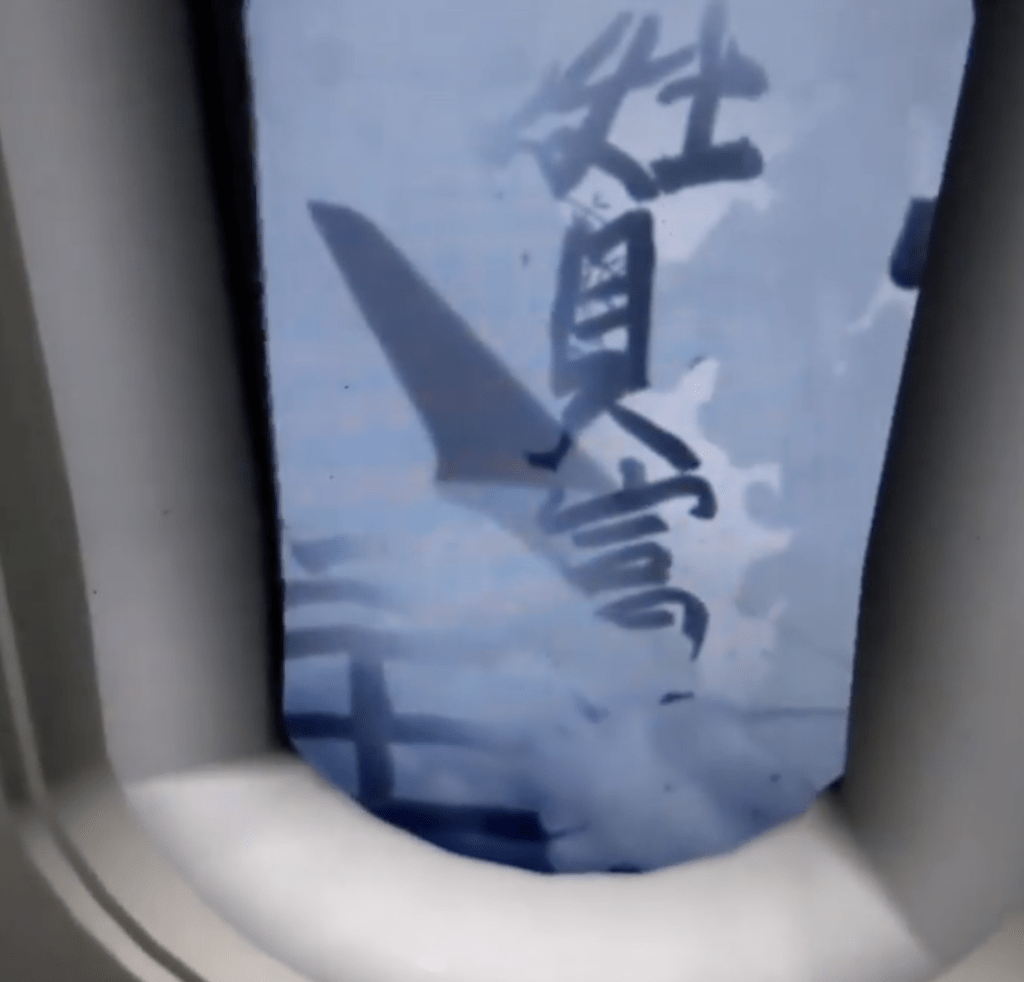
    I remember sitting with a group of visual artists who would go on to create the virtual reality experience for my piece Stampin’ in the Graveyard, asking me what image they might be able to play around with as a key anchor to the show—the answer came to me as clear as day. I immediately saw myself sitting on an airplane seat, looking out the window in the twilight, there is a voice speaking behind me, and as I breathe onto the cold pane of glass, the names of my ancestors are scrawled there as if by an invisible finger.

    When I was six years old, at the wake of the riots in Jakarta, my family and I fled first to Singapore, and then to America. I don’t remember much from that time, just vague memories of long drives, motels, the laundry machine, a young blonde girl asking me what I was doing (building a snowman) and understanding exactly what she was saying and not knowing what to answer back. Unlike many of the stories you hear, we left America and came back.

    There are moments in my life, where I feel that I sliced away a part of my soul to throw to the dogs so the rest of me can get away. I think somewhere in some small corner of the sky, a piece of me is still floating in an empty airplane, neither here nor there, not coming or going.

    Exile is a state of mind, a violence of the imagination.

    It has been almost two years since I have been back home, and by home I mean where I came from in the beginning. Unlike in Singapore, where the sales floor I worked at would fill with a hubbub of Malay and Bahasa, I have also gone so long without speaking my native language, to the point that it became a peculiar taste in my mouth even as it remained familiar to my ears. Even then, I don’t despair, I don’t feel as if I’ve lost anything, just that I’ve changed. And I look forward to this homecoming with curiosity and ease.

    Where do I belong? Now and never. Nowhere and everywhere. I belong wherever I put down my feet. I am a woman and not a bird.

    easthouston

    November 7, 2021
    Uncategorized
  • Hungry Ghosts


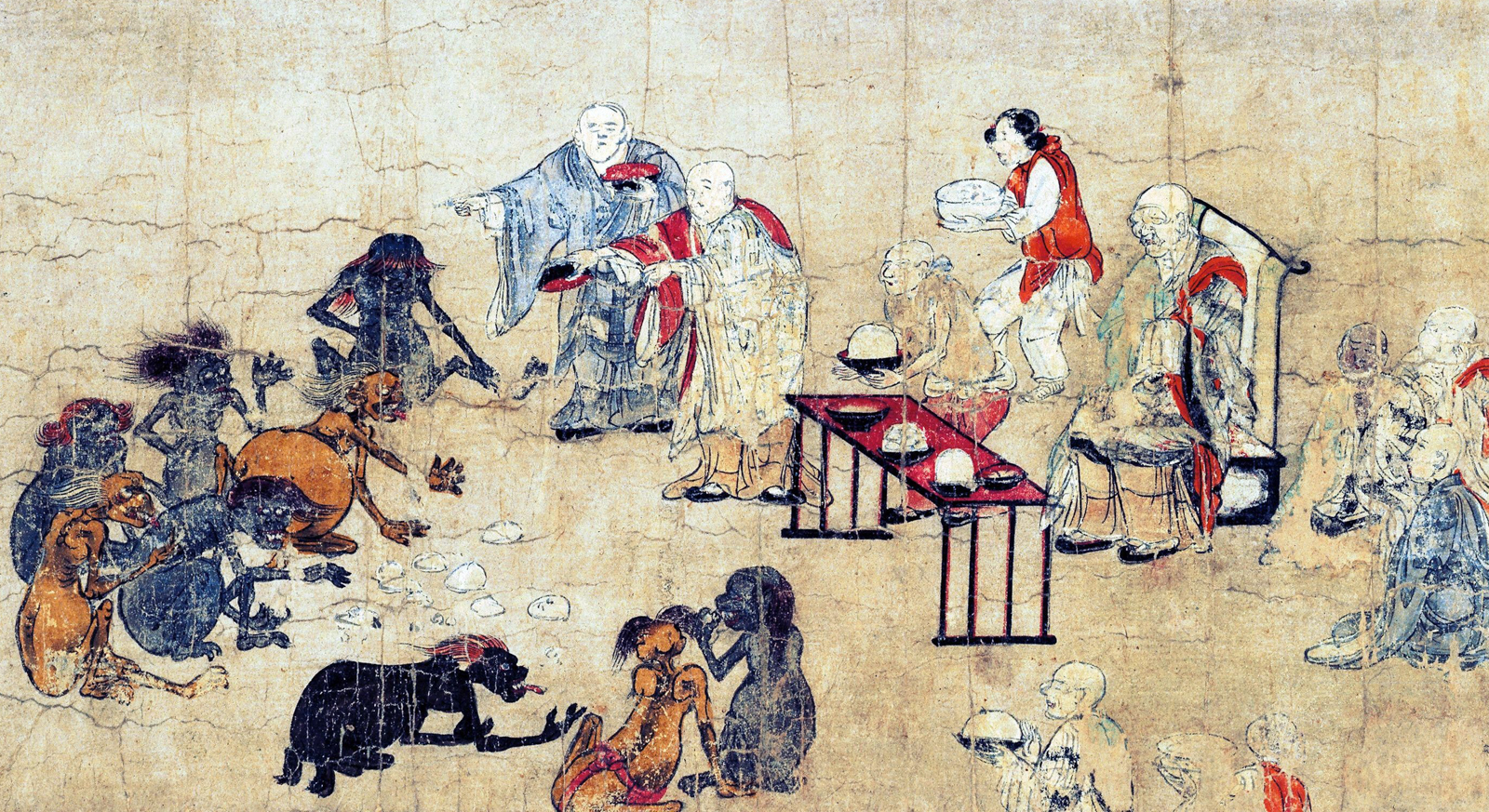
    Hungry ghosts are believed to wander the earth—the souls of those who were violent and unhappy, desirous and greedy—they have large bellies and eyes and small mouths, never able to satiate themselves.

    Hungry ghosts are an integral part of Buddhist literature, but aptly it is a ghostly presence that is often ignored (it’s not as sexy as meditation after all, or yoni eggs*). Hungry ghosts is one of the realms of samsara, into which one can be reborn depending on their karma. Those who had been avaricious, selfish, envious, clinging and greedy, may be reborn into the realm of hungry ghosts.

    There are vivid paintings of the hungry ghosts, shrivelled like tree bark and breathing out fire that seems to burn anything they may try to eat. They have small mouths like needles, unable to fill their bellies. Their eyes seem to see an illusion of barrenness, and they crave disgusting things like shit.

    A Teaching on Hungry Ghosts - Tricycle: The Buddhist Review

    It is also said that when we are visited by these feelings of greed or meanness, that we are receiving a glimpse into the realm of hungry ghosts.

    On a cold night in December, that girl died.
    They cremated her tiny bird-like body and she was so small that her funeral pyre was nothing more than a candlelight, and they laid to rest her still warm ashes in my heart.
    That was seven years ago, but some nights (when it is especially cold and lonely)
    The embers catch and the girl would come back to life as a column of black smoke rising up my lungs, choking me with her sweet incense
    I still think of her and it brings sour tears to my eyes
    Because I love her, I still love her
    Even in her smallness and ugliness.

    I wrote that poem last December, I have been noticing a pain arising in me that seems to come from a source deep inside my belly. I have a beautiful life, and people who love me, and yet my body seems to contain within it a wellspring of pain, like a river, that floods inside me. It felt like my karma, something I was born with and tasked as a person to carry and uncover and learn from.

    Even within the luck of my life, I hold a fear that I would be abandoned in the middle of the wilderness.

    Dear mother,
    I know I have done shameful things.
    Please don’t worry about me, bury me in an unmarked grave
    Let there be no sons, or daughters, or grandchildren with flowers in their hands
    Just let me out to sea while I’m alive
    Let me laugh, let me cry

    Stories of hungry ghosts often describe people who refuse to give water to the thirsty (fearing they would not have enough for themselves), or envious of another person’s virtues set out to destroy them. But asking or even begging for help does not make one a hungry ghost—refusing does.

    I think about all the times I had clung so much to love, even when it needed to be cut loose. I think of all the times I have been envious, afraid of being replaced by a newer, glossier, whiter version. (I seem to fail to realize that I’m a woman, not a toaster). And I have that common addiction too: I find myself hungering for filth, spinning my mind around and around thoughts that do nothing but cut me open again and again and again. I recognize that these fears come from ways in which I was not cared for in the ways I needed, but I’m old enough now to be able to accept these things without anger, to carry on.

    You were not born, but crawled headfirst into the hunger of dogs. Tell them that the body is a blade that sharpens by cutting. -Ocean Vuong

    One time, inflamed with this sharp karmic pain, this hunger, I hit my head on the wooden floor. I was with someone who loved me dearly, who stopped me quite abruptly by gripping my hair. “Don’t hurt her.” He said, as if speaking to the ghost inside who was doing the hurting.

    I am so full of the desire to live, and yet I wonder if I destroyed what was on the surface, how my body would grow beyond the ruin. I wanted to see what was growing underneath my skin if I tore it away. What would arise once the hunger has finished consuming me?

    When I was a child, I used to always get nightmares (a witch’s kiss and my teeth falling out, another time that aliens had taken over our house and were wearing my family’s heads as masks). Eventually, I noticed that when I prayed, my dreams would be strange but they wouldn’t terrify me. So this afternoon, I walked to Greenwich Park and watched the birds migrate, as I wrote down my fears and prayers to accompany them.

    We live in a funny world obsessed with power, obsessed with not being walked over, and freedom and pleasure. For now, I sit in my hunger, feeding on a bitter solitude, waiting for it to turn sweet in my mouth.

    *Let it be known that “wherefore” means “why” not “where”, and “yoni” means “womb” not “vagina” — thank you and good night.

    easthouston

    September 12, 2021
    Uncategorized
  • My invisibility.

    This past week, I joined 9 other women of East Asian/Southeast Asian descent in a residency hosted by the East Asian Ticket Club and Hawkwood College (👈 check em’ out).

    Although my body stayed in the same studio, I felt myself traveling to different places: back to my childhood in Jakarta, to my grandmother’s days in a cigarette factory in Medan, as we screened Unforgettable Girl I was thrown back to last Autumn and the feeling of creating theatre with the desperation of a viral apocalypse, back to the drill hall where I spent the last days of school.

    Throughout the week, Xuanh had written down different things we had said. On the last day, we listened to a recording of her voice saying each of these things back to us, as if they were her own words, in a way that affirmed it and gifted it back to us.

    I found this notion of borrowing words incredibly powerful. In fact, I want to invite some people I work with to do this with me—to dive into books that speak saliently and incisively about our civilization’s watershed reckoning with capitalism and imperialism—to pick out passages that resonate with us and to say it as if they were our own.

    Because until further notice, I’m done talking about “race”—especially to people who don’t know what it means to look different, to be called names or spat at as you walk down the street in the year 2021, to be treated differently for the way you talk or your accent, people whose ancestors have never been subjugated, exploited, called less-than, enslaved for centuries. It’s exhausting and in my experience, it gets absolutely nowhere. I would like to borrow the words of people with more courage than me, and I would like to listen and for people to listen to me.

    It’s like seeing ghosts.

    People make jokes about my name. Ho is a funny name. But I rarely say that part of the reason I don’t go by it is because I will protect myself from being laughed at for my name. Most people who do laugh, have never had their family be forced to change their name because Chinese names are illegal (the reason why we initially changed our name from Ho = Gunawan). Most people who do laugh, have not experienced violence or killings for being their “ethnicity.”

    So a harmless joke goes by, and you see the ghost of violence in the back. But you learn to ignore the ghosts. Sometimes, if it’s actually funny (a dear friend once made me a yoga class playlist called “HO-ga movement”) and it’s a person you love, you don’t even mind. Nobody ever asks, but why should they know? And at this point, I’m tired of telling people who don’t believe in ghosts.

    Another joke flies around about how the Arts Council doesn’t give money to white people anymore. I’m not naive, and I know there are people who must believe that people like me only get grants because we’re not white. Another ghost.

    But you know, I want to be a normal person who has “that annoying friend” and let that kind of shit go for the sake of my blood pressure.

    Inner Rebellions

    You know that game when you suck on a candy in your mouth in class? Keeping it secret so the teacher doesn’t realize? This is the game I play whenever someone speaks a lie too loud and too fast. I suck on the sweet candy of my own blasphemous silence.

    I will not feel your shame for you.

    Like a comedy, our residency ended with the other group inviting us to join a small gathering on the grass to thank the staff at Hawkwood for welcoming us. A man with long curly blonde hair led us on a Sunday School prayer that ended with namaste and om. When asked how our experience was, we stumbled at an answer, and he answered with an empathic “Yes, that was exactly our experience here.” Right.

    I was embarassed for him—his blindness, his vapid remarks, his mistaking our silence for approval of this attempt to bring everyone together. He thought his presence was harmless but it was like a little stain on our afternoon. But I decided that I would not feel his shame for him.

    If you’ve noticed, I’ve gotten this far barely saying the word “white.” Because I’m riding the tension of 1) throwing pebbles at its supremacy, and 2) refusing to give it more power by strengthening its oneness as “white.” Even white supremacy is a construct—albeit a powerful one, the same way what brought me together with these nine incredible women is a construct, clunkily wrapped by the words BIPOC/East and Southeast Asian women (personally I prefer ‘bitchez of blazphemy’). I think instead of “white” – what we mean is people who (regardless of how they look) are still running away from the shame of benefitting from capitalist imperialism, who have blood on their hands.

    That’s why the guilt, and the self-conscious liberal monologues about being privileged, doesn’t help. That’s why I realize I don’t feel like my body of work is based on my race, not (just) because I’m self-hating like the rest of us, but because I refuse to define myself on my constant conflict against an illusory whiteness. I think as an artist I transform the things I experience and sense in the world—my history and story of being invisible/visible, my movement/migration, diaspora, my relationship to capitalism/power are all a part of it. The fact that many people will see me and first see that I look different from them, is going to be a part of it.

    Can we peel the wallpaper of these banal words the home office gives us and go deeper and underneath into the complexity and fragmented reality of our lives?

    I realize people will read this, and feel affirmed or affronted or ashamed or awkward. All I ask is for your truthfulness, in this moment, as you read this in your head. Your truthfulness to yourself.

    And if butthurt/your heart rate is triggered, keep calm and listen to:

    easthouston

    May 11, 2021
    Uncategorized
  • “First, confrontation with MYTH…

    In other words, while retaining our private experiences, we can attempt to incarnate myth, putting on its ill-fitting skin to perceive the relativity of our problems, their connection to the “roots” and the relativity of the “roots” in the light of today’s experience. If the situation is brutal, if we strip ourselves and touch an extraordinarily intimate layer, exposing it, the life mask cracks and falls away.

    Towards a Poor Theatre

    (An aunt once told me I had a lucky face…)

    Jokes aside, I do feel honoured and lucky to have gotten a grant for my DYCP. I say lucky because I know for a fact that there are many artists out there with stronger ambitions and better plans, arguably more deserving of this gift than me but for whatever reason the Black Hole™ has decided to send me back some money from the Arts Council. I believe in always respecting the chaos and arbitrariness that rules our lives (especially when it comes to public funds…)

    Aside from the part where I promised the Ministry of Magic Arts Council England that I would blog about my project…

    I want to find a way to share my work to anyone who is interested to read. I have always loved seeing the stats of my website, seeing different parts of the world light up with friends who have for whatever reason decided to grace my blog at 3 a.m. (Hello!)

    The project I’m embarking on is a search for myths—the ones that exist in our culture, our families, ourselves. How do we find them and how do we tell them? I am curious about how I can share the alien world I grew up in (Jakarta in the 1990s…)/stories of the “other” we fear so much, in such a way that will make you see your own stories. I want to invite you deep inside your own story and self, and I will go deep into mine, and we will meet in the imaginary room that exists underneath the everyday.

    I am curious about the universal truths that exist in our world—of which there are very few. Many things that are important to us—like power, philosophy and even human rights—are simply constructs and agreements. Here are some universal truths:

    1) we all die, 2) we all have a mother and a father (even if you may not know them or like them) and arguably 3) that we all fall in love.

    ^not exhaustive

    Universal truths are the bedrock on which we create and tell myths.

    I am pulled by two poles in my research—on one hand that our bodies and our selves are the ways in which we sense the world, and that a deep knowledge and reflection as a person/artist is necessary for this work. On the other hand, that the artist needs to consciously ask—who do I need to become in order to find the freedom to tell this story? What mask do I have to create in order that I can reveal myself (paradoxically by losing it)?

    So the next few months will be filled with writing, experimenting, creating work with companions like the inimitable (the word I default to when someone’s brilliance transcends my command of English) Eelyn Lee (with an exciting project for Encounter Bow, hint: 福禄寿!), Created a Monster for a premiere of Unforgettable Girl this fall, Flabbergast Theatre, Matej Matejka, and Kristine Landon-Smith, among others.

    And please, I am always happy to receive random hellos, questions, thoughts, feedback, insults and all manners of shade in my inbox – about my practice or just about me personally. But please don’t be a stranger. If you want, do subscribe to my mailing list. I have nothing to spam you with (I wish I had something to sell) other than these kinds of posts, if they interest you!

    More anon.

    xoxo

    By clicking submit, you agree to share your email address with the site owner and Mailchimp to receive marketing, updates, and other emails from the site owner. Use the unsubscribe link in those emails to opt out at any time.

    Processing…
    Success! You're on the list.
    Whoops! There was an error and we couldn't process your subscription. Please reload the page and try again.

    easthouston

    April 30, 2021
    Uncategorized
Previous Page
1 2 3
Next Page

Let’s keep in touch like real friends?

Go back

Your message has been sent

Warning
Warning
Warning.

WHAT’S GOING ON?

all our feelings of not enoughness stem from capitalism and the patriarchy, so we’ll be doing a whole load of unproductive wandering and wondering this winter. Watch this space for more!

xoxo kiss witness

sākśī (Malay, Bahasa)-witness / bi.sou (French)-kiss / sākśī bi.su (Bahasa) – silent witness)

  • Instagram
  • WordPress
  • Spotify

\

Website Powered by WordPress.com.


Loading Comments...
 

    • Subscribe Subscribed
      • kisswitness.art
      • Already have a WordPress.com account? Log in now.
      • kisswitness.art
      • Subscribe Subscribed
      • Sign up
      • Log in
      • Report this content
      • View site in Reader
      • Manage subscriptions
      • Collapse this bar